



Coming Soon!
Production credits
Director/Choreographer
Robert Longbottom
Vocal and Dance Arranger, Musical Director
David Chase
Full Credits: IBDb
Notes from David
This one deserves an entire book.
Side Show was the first Broadway show I worked on where I touched every single note of the score.
It started as Song of the Siamese Twins. We did our first reading in early 1995. Emily Skinner was the first and only Daisy. The name changed to Side Show, and through multiple readings and workshops, we went through many Violets until we found Alice Ripley. They were, not to be cheeky, a perfect pair.
I spent multiple hours sitting with Henry Krieger (and Bill Russell and Bobby Longbottom) writing out everything -- taking down Henry's gorgeous melodies, writing every note of the accompaniments, writing every note of vocal, dance, and incidental music. The staged workshop in the summer of 1996 was magical, and the money people were beside themselves with eagerness and joy to mount the show. There was a sense that it wouldn't need to be advertised, it was so good. A fatal mistake.
When it hit Broadway in the fall of 1997, audiences were sharply divided - some found it the most moving experience they'd ever had; some thought it the most ridiculous thing they'd ever seen. Isn't that the essence of theater? But without meaningful advertising, with a multitude of backstage complications, and in a season that included huge shows like Ragtime and The Lion King, Side Show got lost and drowned after three months, unable to find enough audience to sustain it. It was, nonetheless, arguably the best-reviewed show of the season.
The album remains as a testament to incredible work on all parts. For me, the dance of "Private Conversation", inspired by Satie, is one of my favorite ever. People also seem to love the dance to "We Share Everything". The bespoke harmonies I wrote for Emily and Alice are very dear to me as well.
Bobby Longbottom beautifully held a mirror to the audience with the opening song "Come Look at the Freaks". The extended standing ovation on closing night, which happened BEFORE the opening number even started, was a memory I will never forget.
The revival, unfortunately, missed the essential message of the show -- it was never meant to be a historical document about Siamese twins Daisy and Violet, it was meant to be a psychological exploration of everyone's individual freakhood.
The original show, both ahead of its time, but also very much a product of its time, probably survives best as a cast album and in memories.
Lorem ipsum dolor sit amet, consectetur adipiscing elit, sed do eiusmod tempor incididunt ut labore et dolore magna aliqua. Ut enim ad minim veniam, quis nostrud exercitation ullamco laboris nisi ut aliquip ex ea commodo consequat. Duis aute irure dolor in reprehenderit in voluptate velit esse cillum dolore eu fugiat nulla pariatur.
Lorem ipsum dolor sit amet, consectetur adipiscing elit, sed do eiusmod tempor incididunt ut labore et dolore magna aliqua. Ut enim ad minim veniam, quis nostrud exercitation ullamco laboris nisi ut aliquip ex ea commodo consequat. Duis aute irure dolor in reprehenderit in voluptate velit esse cillum dolore eu fugiat nulla pariatur.
Lorem ipsum dolor sit amet, consectetur adipiscing elit, sed do eiusmod tempor incididunt ut labore et dolore magna aliqua. Ut enim ad minim veniam, quis nostrud exercitation ullamco laboris nisi ut aliquip ex ea commodo consequat. Duis aute irure dolor in reprehenderit in voluptate velit esse cillum dolore eu fugiat nulla pariatur.
Lorem ipsum dolor sit amet, consectetur adipiscing elit, sed do eiusmod tempor incididunt ut labore et dolore magna aliqua. Ut enim ad minim veniam, quis nostrud exercitation ullamco laboris nisi ut aliquip ex ea commodo consequat. Duis aute irure dolor in reprehenderit in voluptate velit esse cillum dolore eu fugiat nulla pariatur.
Awards
Nominee — Tony Award
Henry Krieger and Bill Russell — Best Original Score^
- Vocal, Dance, and Incidental Music Arrangements by David Chase
- Music Direction by David Chase
- Orchestrations by Harold Wheeler
NOTE FROM DC:
^There is no Tony Award for Music Arrangers, and the last Tony Award for Music Direction was given in 1964. Therefore, the Tony Awards for Best Score and for Best Orchestration (the latter of which began being awarded in 1997) tacitly recognize the otherwise unacknowledged contribution of the Arranger(s), Music Directors, and Music Supervisors.
%25201997%2520(1)%2520.jpeg)
%25201997%2520(2).jpeg)
%25201997%2520(3).jpeg)
.jpeg)
.jpeg)
related
projects
resources
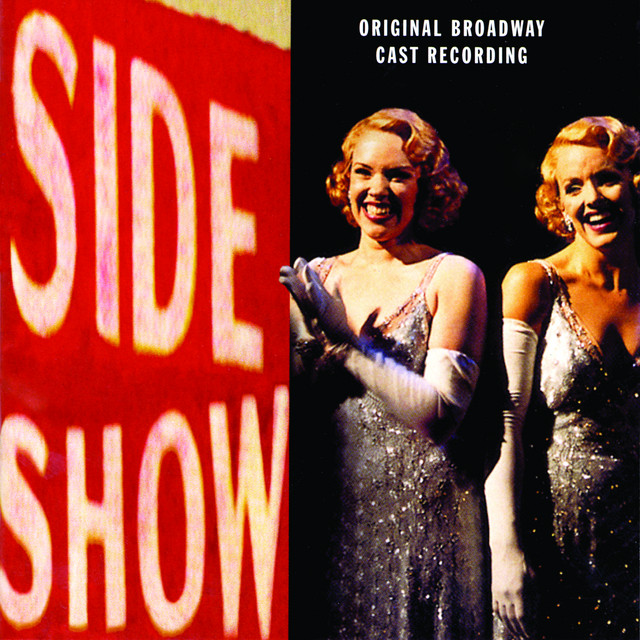
Side Show (Original Broadway Cast Recording)
Available on





explore further
.jpeg)


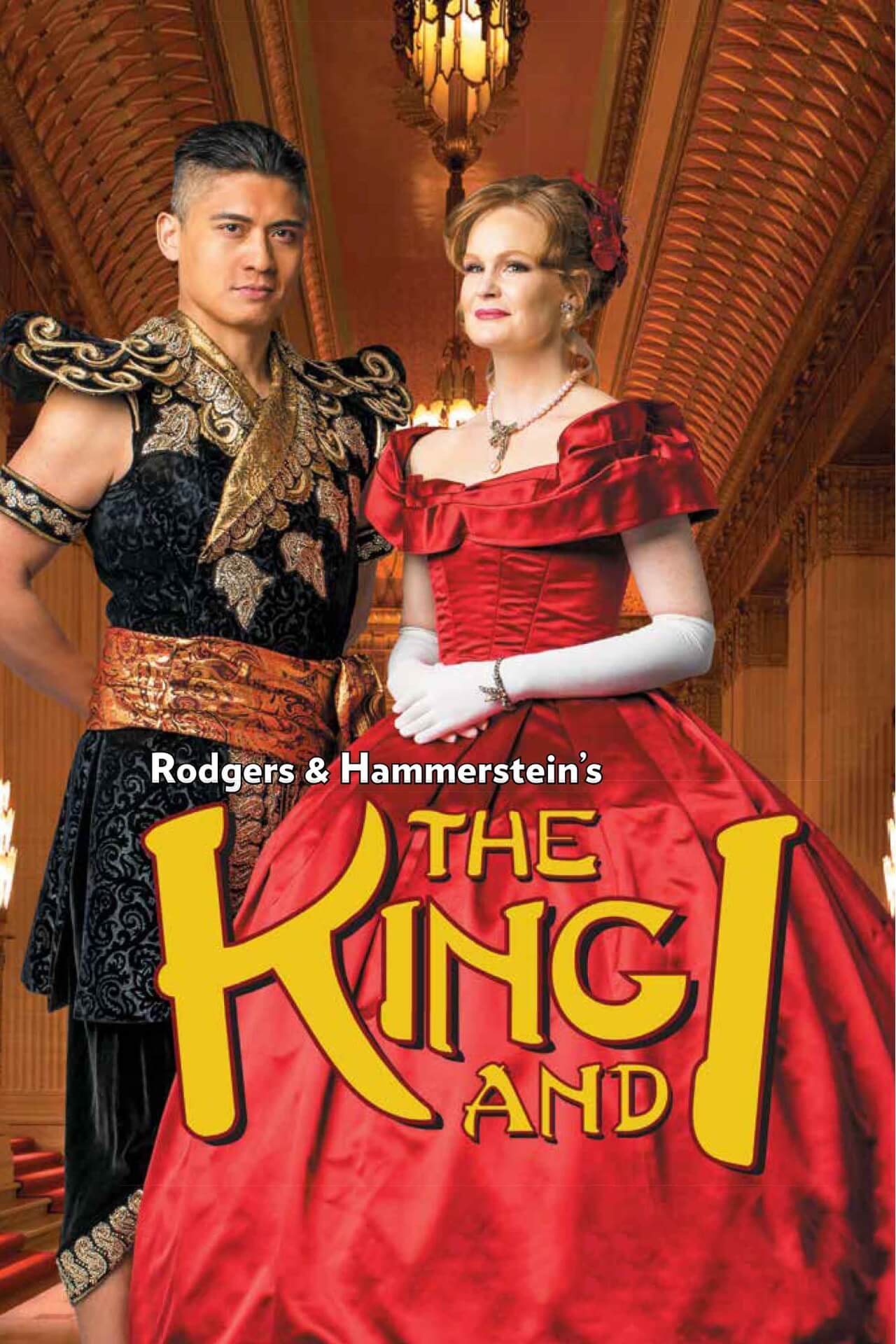


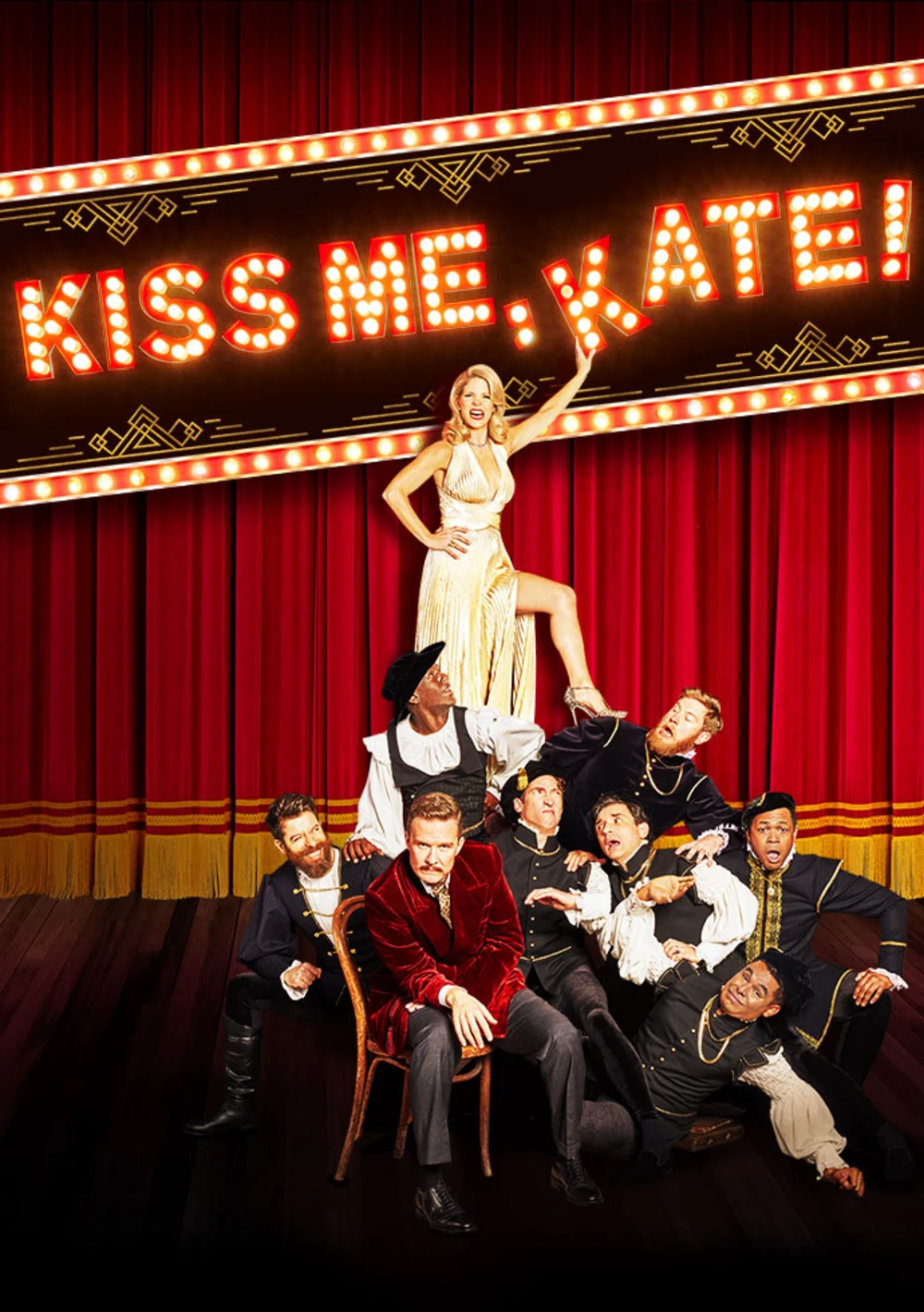
We’ll Have Manhattan: Rodgers & Hart in New York
The 92nd Street YMCA "Lyrics & Lyricists" Concert Series



















.jpeg)



Disney's Beauty and the Beast
2022 U.K. National Tour
2023 Australia National Tour
2025 U.S. National Tour
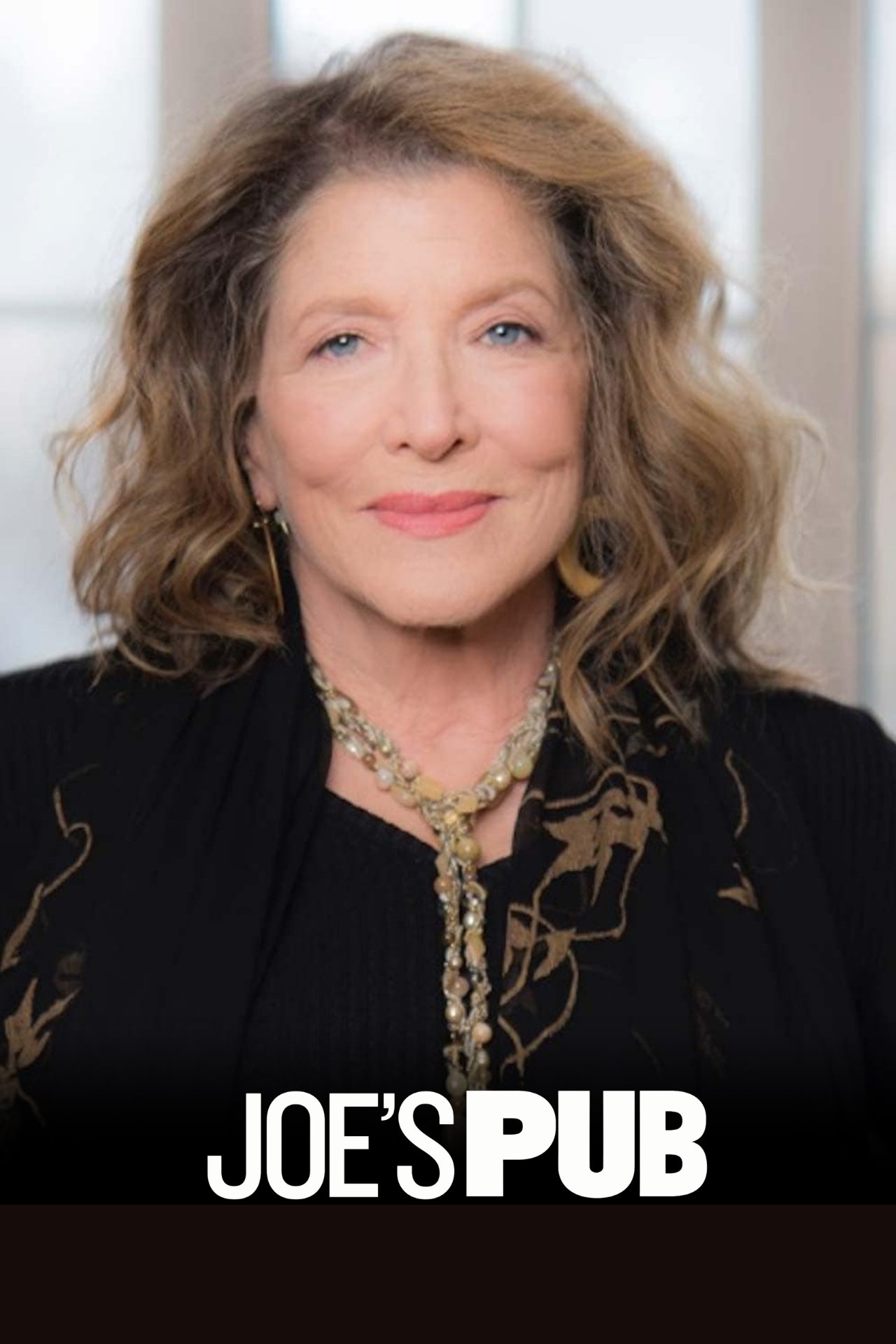
Lucy Simon at Joe's Pub
2009 Concert celebrating Lucy Simon
2024 Concert celebrating the life of Lucy Simon



Let's
Collaborate